One Family, One Lab, Forty Products: A Medicine Cabinet Put to the Test
The idea started, as many do, with a receipt. Rachel Denning of Columbus, Ohio, added up what her household of four had spent on supplements, protein powders, and skincare products over the previous year. The total crossed $2,300. Then she asked a question that most of us avoid: how do we actually know any of this works?
The answer, it turned out, was that she didn't. So the Dennings did what a growing number of American consumers are starting to do — they boxed up their medicine cabinet and sent it to a laboratory.
Why a Family Would Pay to Test Its Own Products
Independent product testing is not new. What is new is consumers doing it voluntarily, at their own expense, for everyday purchases. Labs that once served manufacturers now receive packages from individuals, typically at a cost of $50 to $400 per product depending on the panel requested — identity verification, heavy metals, microbial contamination, or potency against the label claim.
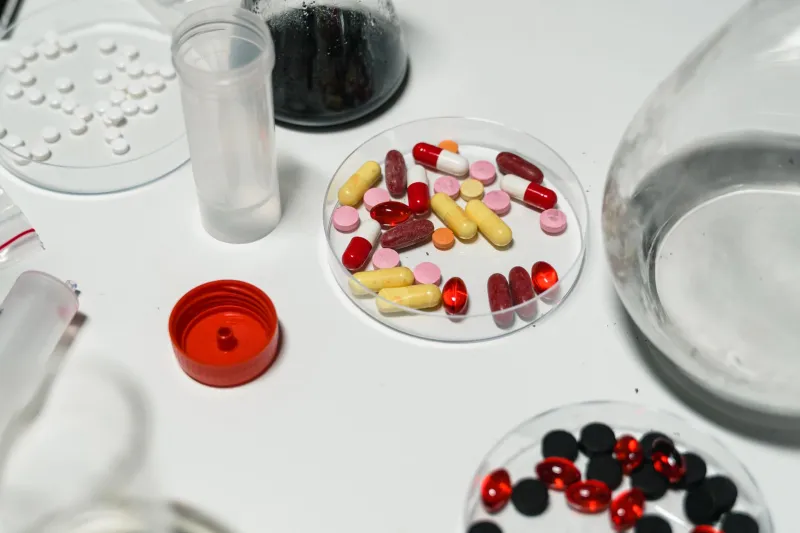
The Dennings selected eleven products: a children's multivitamin, two fish oil capsules, a turmeric supplement, magnesium glycinate, a collagen powder, vitamin D drops, a probiotic, and three skincare items from brands sold primarily through social media. Total cost for testing: just over $1,900.
Rachel's framing was pragmatic. "If even one product fails, I've saved years of wasted spending. If they all pass, I bought peace of mind for the price of a nice dinner out."
The Process, Step by Step
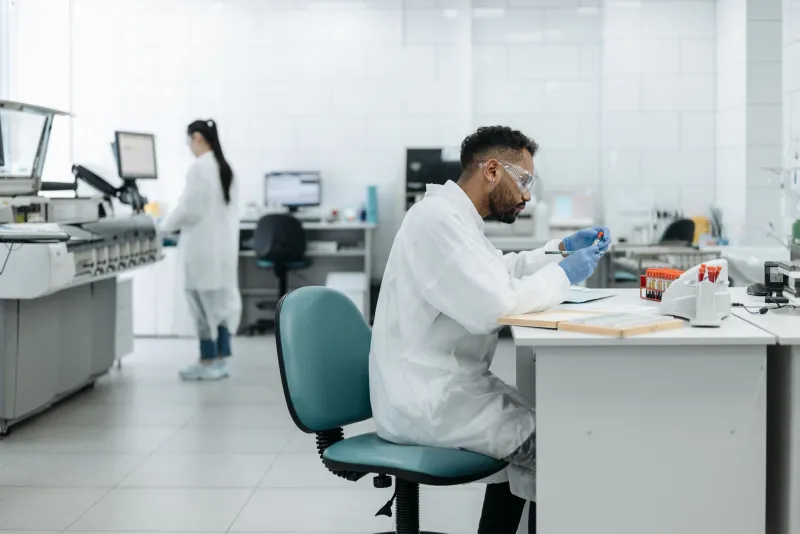
For consumers considering something similar, the workflow is straightforward. First, identify an ISO 17025-accredited laboratory — the accreditation matters, because it means the lab's methods are independently audited. Second, choose the right panel: identity testing confirms what the substance actually is, while potency testing measures whether the amount on the label matches the amount in the bottle. Third, submit samples in original packaging, ideally unopened, and keep your receipts.
Turnaround times ranged from ten days to three weeks. The family received certificates of analysis listing each analyte tested, the method used, the result, and — crucially — the specification it was measured against.
The Results: Seven Passes, Three Questionable, One Failure
Seven of the eleven products came back clean. The vitamin D drops, the magnesium, and one of the two fish oils matched their label claims within acceptable tolerance and showed no contaminants of concern.
Three products landed in a gray zone. The children's multivitamin showed meaningful batch-to-batch deviation on two minerals — one under-delivered, one over-delivered — which is not dangerous at these levels but undermines the precision parents assume they're buying. The collagen powder listed a proprietary blend with no quantified amounts, and the lab could only confirm that protein content fell short of the implied serving by roughly 15 percent.
Then there was the turmeric. The label promised 95 percent standardized curcuminoids. The lab found 41 percent. Rachel had been taking it daily for eighteen months for joint comfort.
What Do You Do When a Trusted Product Fails?
The instinct is to post a scathing review. The more effective path is quieter. First, contact the manufacturer with the certificate of analysis in hand — reputable companies will respond, and some will refund or reformulate. Second, file a report with the FDA through its MedWatch or adverse event channels, particularly for supplements that are significantly under-dosed or contaminated. Third, replace the product with one carrying verifiable third-party certification from programs like USP, NSF, or Informed Choice.
The Dennings kept the passing products, discarded the turmeric, and — perhaps most tellingly — cut their supplement spending by more than half. "We were taking nine things," Rachel said. "The lab told us we could get the same benefit from four we can actually trust."
The Broader Lesson
The real finding wasn't that the supplement industry is broken. It's that verification is now accessible to ordinary households, and that access changes the calculus of trust. A label is a claim. A certificate of analysis is evidence. The gap between the two is where most of the money — and much of the potential harm — lives.
You don't need to spend $1,900 to act on this. You need only ask, before your next purchase, whether anyone with a mass spectrometer has ever stood behind the bottle. If the answer is no, you've learned something valuable for free.