Same Brand, Different Bottle: The Potency Problem Inside the Supplement Industry
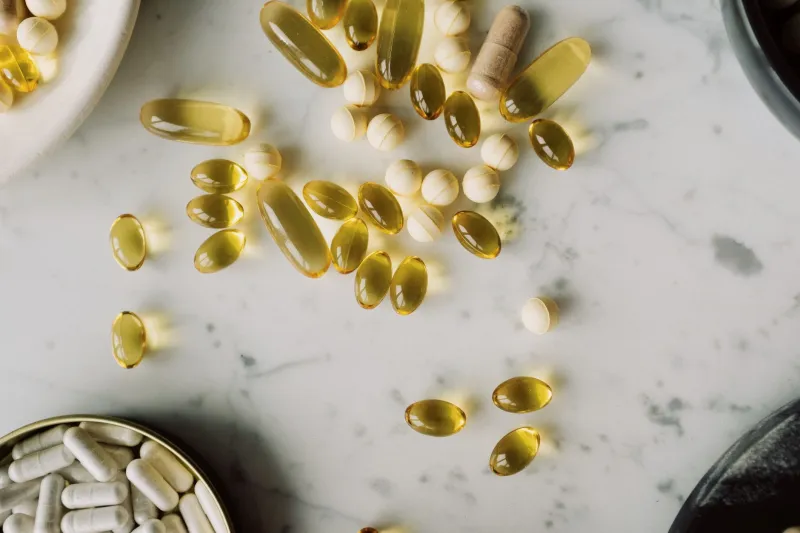
When you purchase a bottle of magnesium glycinate or vitamin D3, you are operating on a fundamental assumption: that what is printed on the label is what is inside the capsule. It is a reasonable expectation. It is also, according to a growing body of independent laboratory analysis, frequently incorrect.
The dietary supplement industry in the United States is a $60 billion market governed by regulations that many consumer advocates and scientists consider inadequate. Unlike pharmaceutical drugs, supplements are not required to demonstrate efficacy or undergo pre-market approval by the Food and Drug Administration. Manufacturers are responsible for ensuring their own products are safe and accurately labeled — a system that, in practice, creates significant room for inconsistency.
At Cura Labs, we test products before we recommend them. What our analyses have revealed about potency variation is something every supplement consumer in America deserves to understand.
What Batch-to-Batch Variation Actually Means
Batch-to-batch variation refers to measurable differences in a product's composition from one production run to the next. In a tightly regulated manufacturing environment — such as one that adheres to pharmaceutical-grade Current Good Manufacturing Practices (cGMPs) — this variation is minimized through rigorous in-process testing and finished-product verification.
Dietary supplement manufacturers are required by the FDA to follow their own version of cGMPs, established in 2007. However, enforcement is inconsistent, and FDA inspections of supplement facilities remain relatively infrequent. The result is a wide spectrum of manufacturing quality across the industry.
Independent testing organizations, including NSF International and ConsumerLab.com, have repeatedly documented products that contain significantly more or less of an active ingredient than the label states. In some analyses, products have been found to contain as little as 30 percent of the claimed dose — or, in other cases, dangerously high concentrations that exceed what is listed.
For a consumer taking a supplement for a specific health purpose, this variance is not a minor inconvenience. It is a fundamental failure of the product's core promise.
The FDA Oversight Gap
To understand why this problem persists, it helps to understand the regulatory framework — or more precisely, its limitations.
The Dietary Supplement Health and Education Act of 1994 (DSHEA) essentially shifted the burden of proof away from manufacturers. Under DSHEA, a supplement is presumed safe unless the FDA can prove otherwise. The agency does not evaluate supplement formulations before they reach store shelves. It acts reactively, investigating complaints and issuing warnings after problems have been reported.
In 2023 alone, the FDA issued dozens of warning letters to supplement companies for violations ranging from undisclosed pharmaceutical ingredients to unsubstantiated health claims. Yet these actions represent a fraction of the products on the market, and they typically occur long after consumers have already purchased and consumed the items in question.
"The system places enormous trust in manufacturers to self-police," noted one supplement scientist consulted during Cura Labs' product review process. "And while many companies do take quality seriously, the absence of mandatory pre-market verification means consumers have no reliable way to distinguish those companies from the ones that don't."
What Cura Labs' Testing Has Found
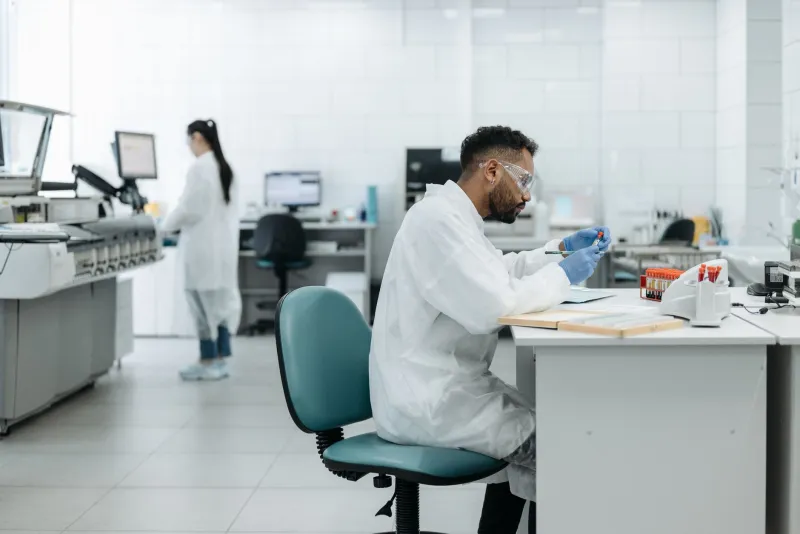
Our laboratory evaluation process involves third-party testing of finished products against their stated label claims. Across categories including omega-3 fatty acids, B-complex vitamins, zinc, and adaptogenic herbs, we have encountered a consistent pattern: products from brands without verifiable third-party certification programs show greater variability in active ingredient concentrations.
In one evaluation of a widely available zinc supplement, the tested capsules delivered approximately 78 percent of the labeled dose. In another, a popular elderberry extract product contained measurably lower concentrations of the anthocyanins that give the ingredient its purported immune-supporting properties — despite premium pricing that implied superior formulation.
Conversely, products bearing NSF Certified for Sport, USP Verified, or Informed Sport certifications consistently tested within acceptable variance thresholds. These programs require manufacturers to submit to independent testing, facility audits, and ongoing compliance monitoring — precisely the oversight the FDA does not currently mandate.
How to Identify Brands With Genuine Quality Control
Navigating the supplement aisle does not require a chemistry degree, but it does require a shift in how you evaluate purchasing decisions. The following criteria are the foundation of Cura Labs' own curation process.
Look for third-party certification marks. NSF International, USP (United States Pharmacopeia), and Informed Sport are among the most rigorous and widely recognized. These seals are not self-awarded — they require independent verification.
Request or locate a Certificate of Analysis (COA). A COA is a document generated by an independent laboratory confirming that a specific batch of product meets its label specifications. Reputable manufacturers make these available upon request or post them publicly. If a company cannot or will not provide one, that absence is informative.
Evaluate manufacturing transparency. Does the brand disclose where its products are manufactured? Facilities registered with the FDA and audited for cGMP compliance represent a higher baseline of quality assurance than those that do not disclose this information.
Be skeptical of proprietary blends. A label that lists a "proprietary blend" of ingredients without specifying individual amounts makes it impossible to evaluate actual dosing. This practice, while legal, is not consistent with genuine transparency.
Consider the price-to-quality relationship carefully. The highest price does not guarantee the highest quality, but consistently low prices in a category with high manufacturing costs — such as concentrated botanical extracts — can be a signal that corners are being cut somewhere in the production process.
The Case for Verified Products
The supplement industry is not monolithic. Excellent manufacturers exist alongside negligent ones, and the gap between them is not always visible at the point of purchase. This is precisely why independent, laboratory-backed curation serves a function that a standard retail environment — online or physical — cannot replicate.
When Cura Labs features a supplement product, it has cleared a verification process that includes potency testing, contaminant screening, and a review of manufacturing credentials. That process exists because we believe consumers deserve to know that what they are taking actually contains what the label says — at the dose the label claims — every time they open a new bottle.
The supplement lottery is a game no informed consumer should have to play. With the right information and the right sourcing, you do not have to.